
John Ford
- Jun 11
- 2 min read
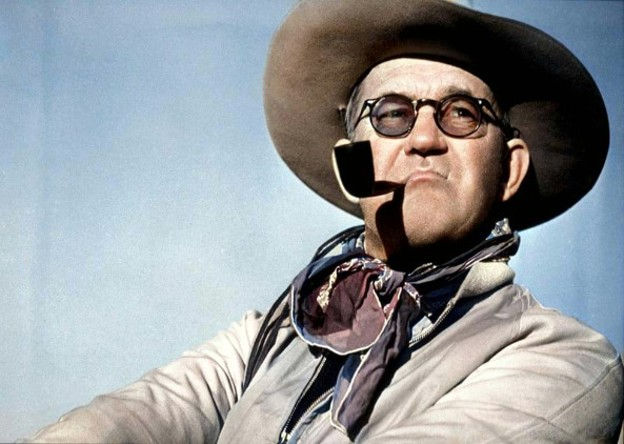

Here’s something different. Instead of reviewing one movie this week, let me tell you about 146 of them! Sort of. Let me explain.
When the great film director Orson Welles was asked to name his all-time favorite directors, he didn’t hesitate. He said: “I prefer the old masters, by which I mean John Ford, John Ford, and John Ford.”
Ford’s influence on Welles was so great that when it came time for Welles to make his first movie Citizen Kane, he took a crash course in how to make a great movie by watching Ford’s classic 1939 western Stagecoach 40 times!
Between 1917 and 1971, John Ford directed 146 movies! Many of them were so good…and in some cases…so great…that the words “Directed by John Ford” in the credits came to represent a kind of artistic stamp of approval that brought moviegoers back to see his legendary movies again and again.
A John Ford movie almost always promised and delivered grand entertainment, stunning visual artistry, and sweeping, deeply felt heroic narratives. Many of the greatest filmmakers in the world—from Federico Fellini and Akira Kurosawa to Ingmar Bergman—rightfully hailed John Ford as the greatest, most influential American director ever.
Look at the flood of other great films he gave us.
There’s bone-deep wisdom in that claim, but you don’t need to be a brilliant filmmaker to know that. Any movie lover who grew up watching a lot of movies—as I did—eventually realized that many of their favorite classic movies were directed with a brand of thematic and artistic greatness that was the unmistakable trademark of John Ford. After Stagecoach, just look at the flood of other great films he gave us: Drums Along the Mohawk, Young Mr. Lincoln, The Long Voyage Home, Fort Apache, Three Godfathers, She Wore a Yellow Ribbon, The Quiet Man, The Man Who Shot Liberty Valance…and that’s just skimming the surface.
John Ford won four Best Director Oscars during his career. He made 14 films with John Wayne, helping to create the Duke’s iconic screen presence. And he directed 30 westerns, eight of which were set in Monument Valley on the Utah-Arizona border—a magnificent location that became an indelible cinematic image of the Old West that lives on.
But as much as Ford’s films glow with artistic greatness, he could also offend. Sometimes he was capable of misogynistic portrayals and ethnic and racial stereotyping. And Ford himself was a complex man! He was both incredibly compassionate and a fierce, alcoholic bully.
If you want to learn more about him, I urge you to check out Season Five of the terrific TCM podcast The Plot Thickens—Decoding John Ford. Then do yourself a favor and watch some of his movies. See The Grapes of Wrath, The Searchers, My Darling Clementine, and How Green Was My Valley. In my view, each one is a profoundly wonderful, four-out-of-four-star classic! And there are many more!


